Reproductive Child Health & Malaria
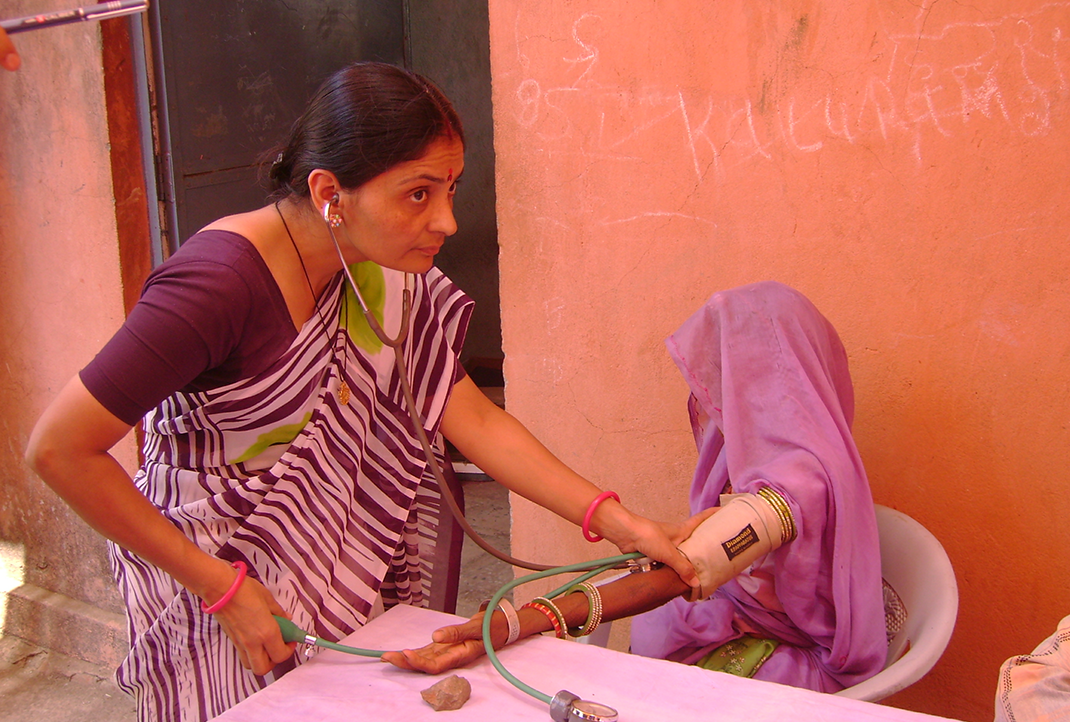
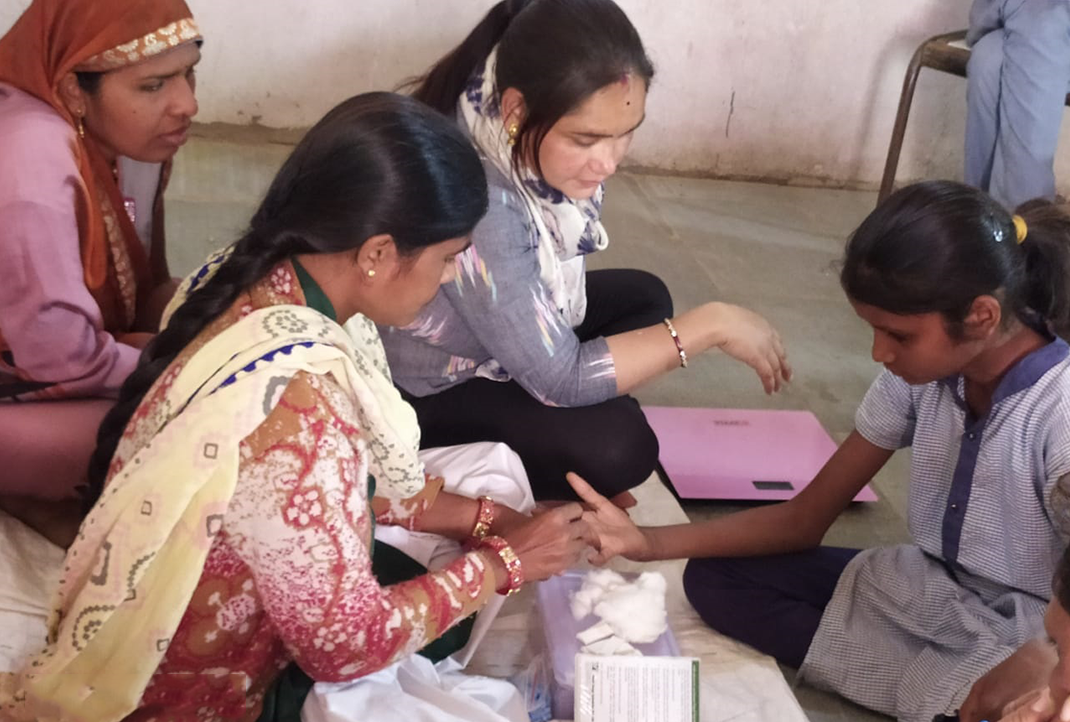
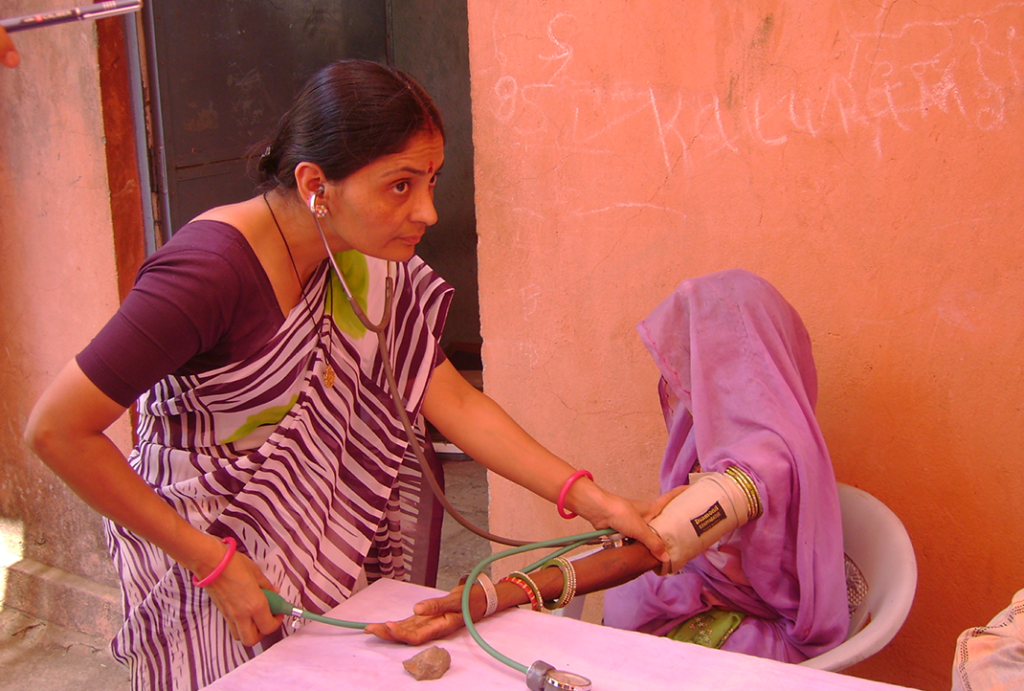
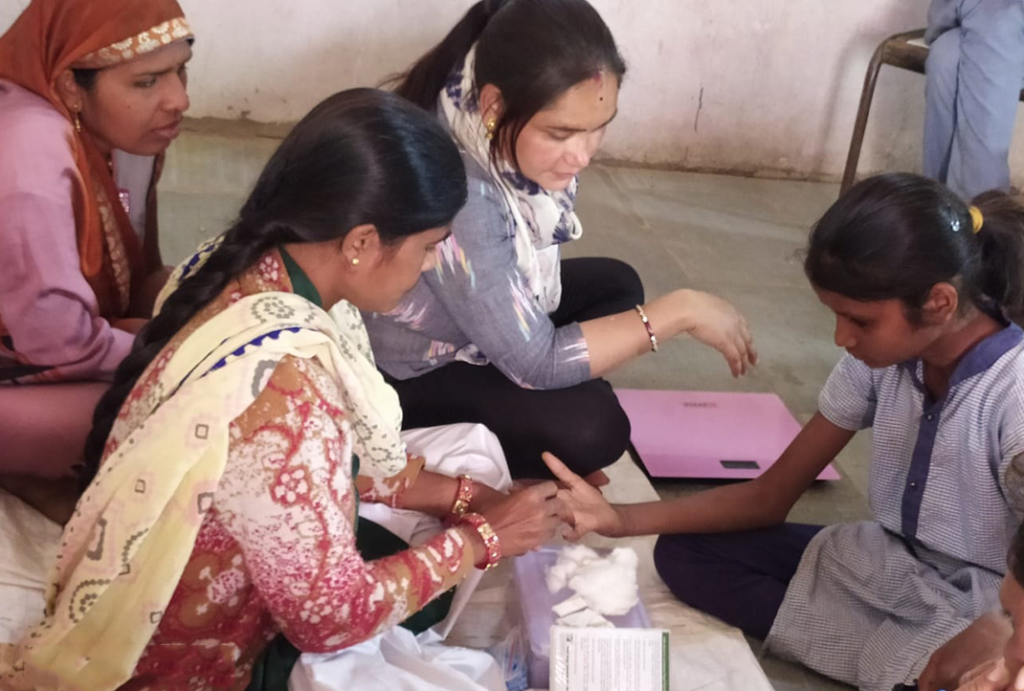
Sampark in Jhabua addresses critical health challenges among tribal women who often face cultural barriers, such as the ghunghat (veil), that prevent open discussions about sexual health. This silence has resulted in widespread, untreated issues, with 45% of women suffering from reproductive tract infections (RTIs) and anaemia. Sampark has organized open discussions and health camps where women, men, and children receive care from gynecologists. Additionally, 118 women have been trained as birth attendants (dais) and 50 as Swasthya Sahelis to provide basic reproductive health care and immediate support in emergencies. Through counseling, Sampark educates women and adolescents on safe motherhood, breastfeeding, and nutrition, distributes iron tablets to prevent anaemia, and offers contraceptives to promote family planning. Health training has been provided to 1,200 adolescent girls, and 9,000 women have received health checkups. By linking with government health services, Sampark ensures regular immunizations and broader health access, creating a sustainable model of care that has reached over 1,480 women in the region.
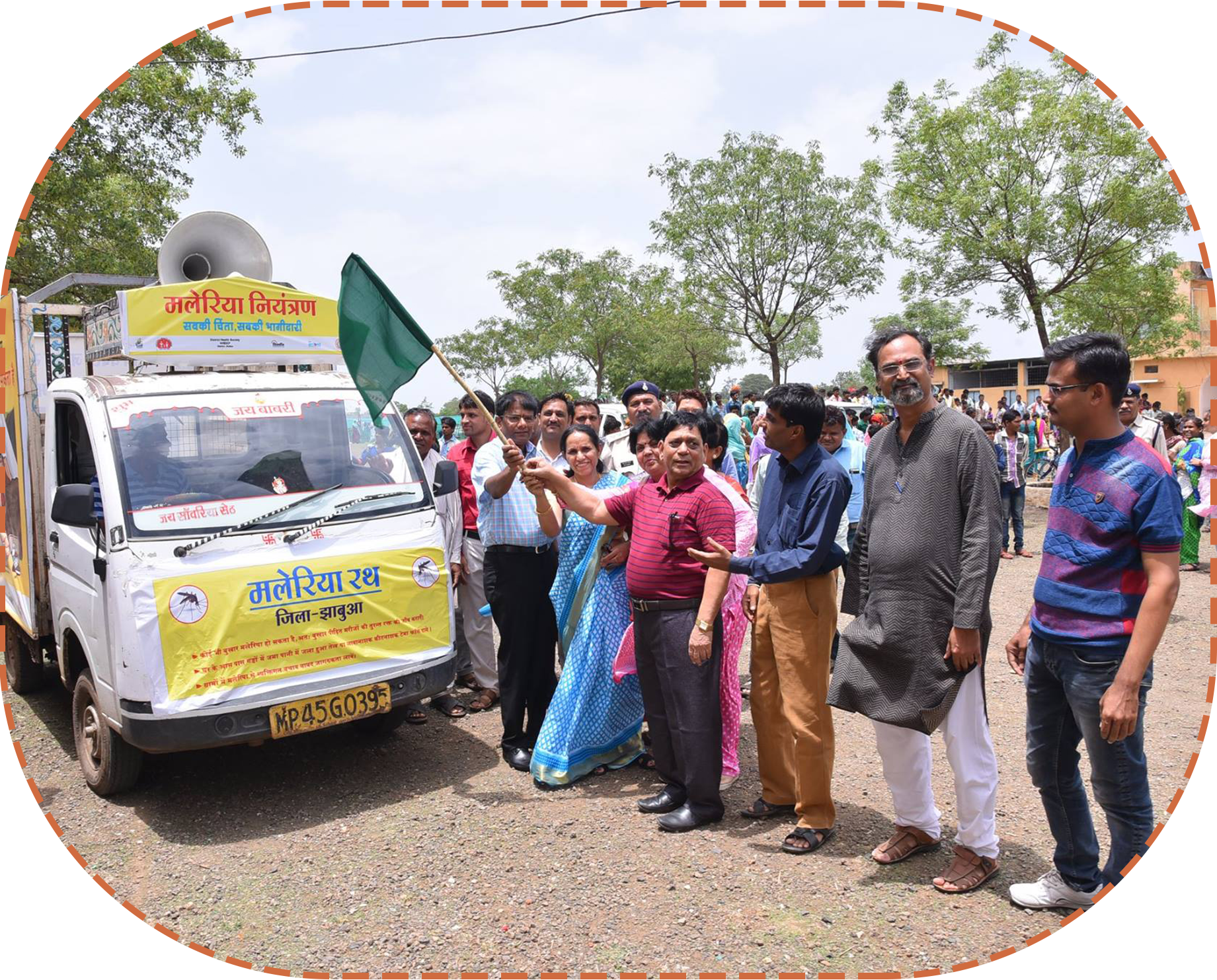
Sampark is actively addressing public health challenges posed by HIV/AIDS and malaria in Jhabua district. The migration of Bhils to urban cities like Surat, Ahmedabad, Mumbai, and Delhi increases their risk of HIV exposure. To counter this, Sampark has launched awareness initiatives through school camps, adolescent and SHG meetings, and community sensitization efforts, which include counseling sessions and training to enhance understanding and prevention strategies. To combat malaria, which spikes after the rainy season due to poor drainage systems and a lack of institutional facilities, Sampark educates the community about prevention through discussions in community organizations and social forums. They reach 1,000 families across 17 villages by distributing mosquito nets to schoolchildren and conducting regular health check-ups. These efforts have improved access to necessary health services, benefiting around 20,000 individuals.
In Pictures

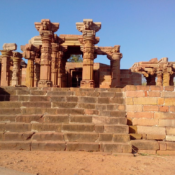
Jhabua District, Madhya Pradesh
Drought-prone, water-scarce area.

Public Health & Disease Prevention
Educates communities on health risks, promotes prevention, and improves healthcare access.
Maternal & Child Health
Ensuring comprehensive care for mother and child, addressing critical health needs.
Culturally Sensitive Approach
Breaking taboos around reproductive health issues through open discussions and community engagement.
Addressing RTIs and Anaemia
Providing health camps, counselling, and iron supplements.
Trained Dais and Swasthya Sahelis
Empowering local women with skills for reproductive healthcare and emergency support.
Community Awareness
Raising understanding of HIV/AIDS and malaria risks through education and training.
Preventive Measures
Distributing mosquito nets and providing guidance on malaria prevention.
HIV Education
Conducting awareness sessions to reduce HIV exposure and promote safe practices.
Enhance preventive measures
Increase distribution of mosquito nets and other tools.
Expand education on malaria and HIV/AIDS
Broaden awareness campaigns to improve disease prevention knowledge.
Strengthen community health infrastructure
Improve local healthcare facilities and resources for better support and treatment.
Expand Education
Reach more women and adolescents with health knowledge
Improve Reproductive Healthcare Access
Ensure trained providers and resources in underserved areas.
Strengthen Partnerships
Collaborate with government health services for better access.
Join us to bring a change!
Enhance maternal and child health, address malnutrition and empower women health workers to transform healthcare access and build healthier communities.