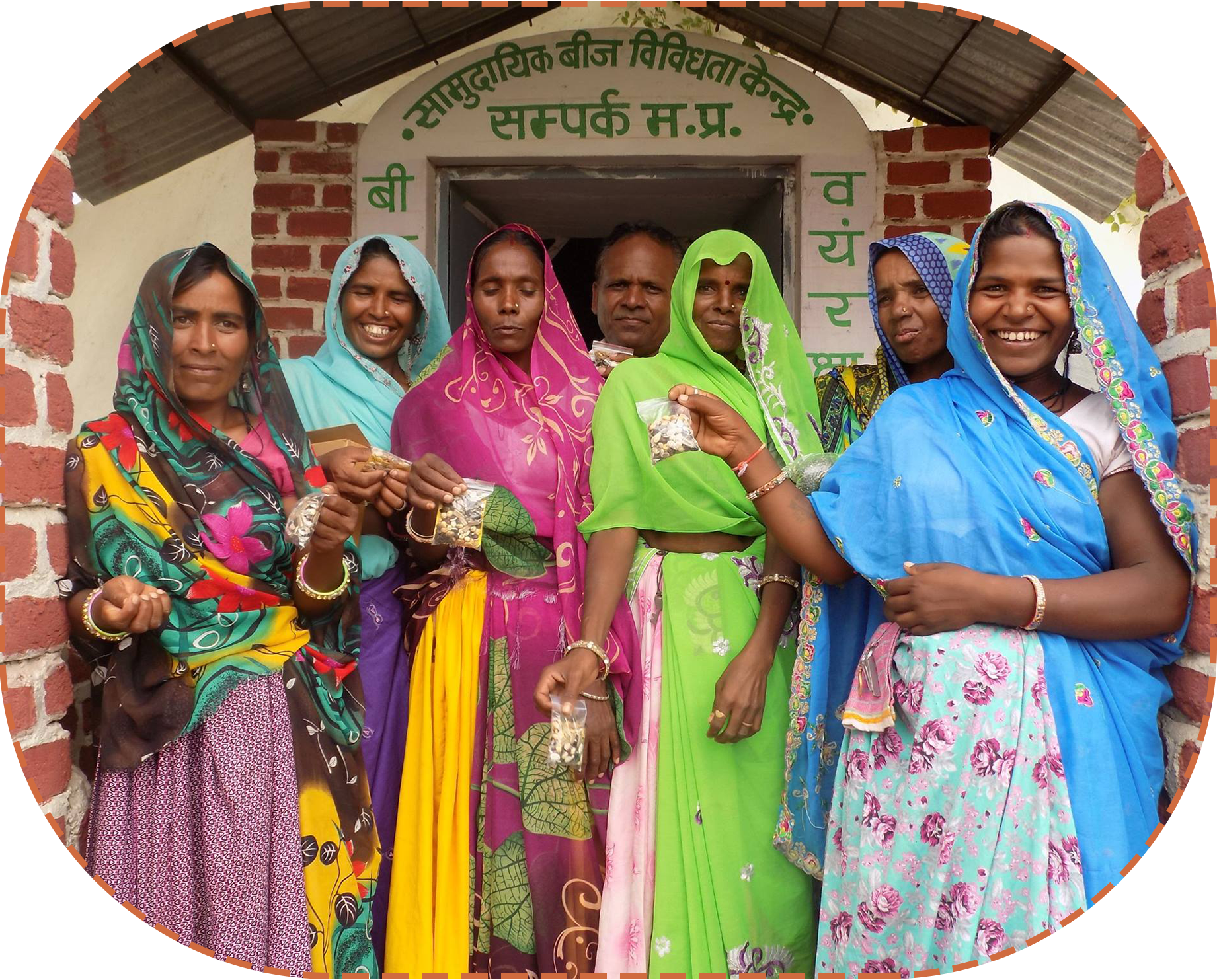


The Community Seed Bank
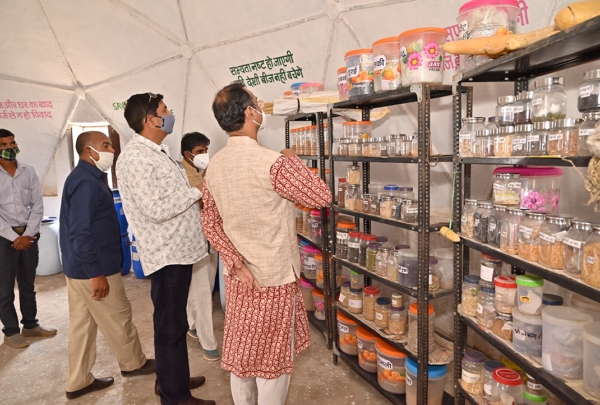
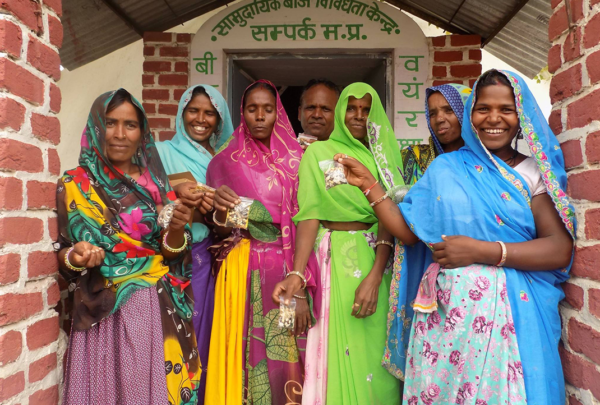
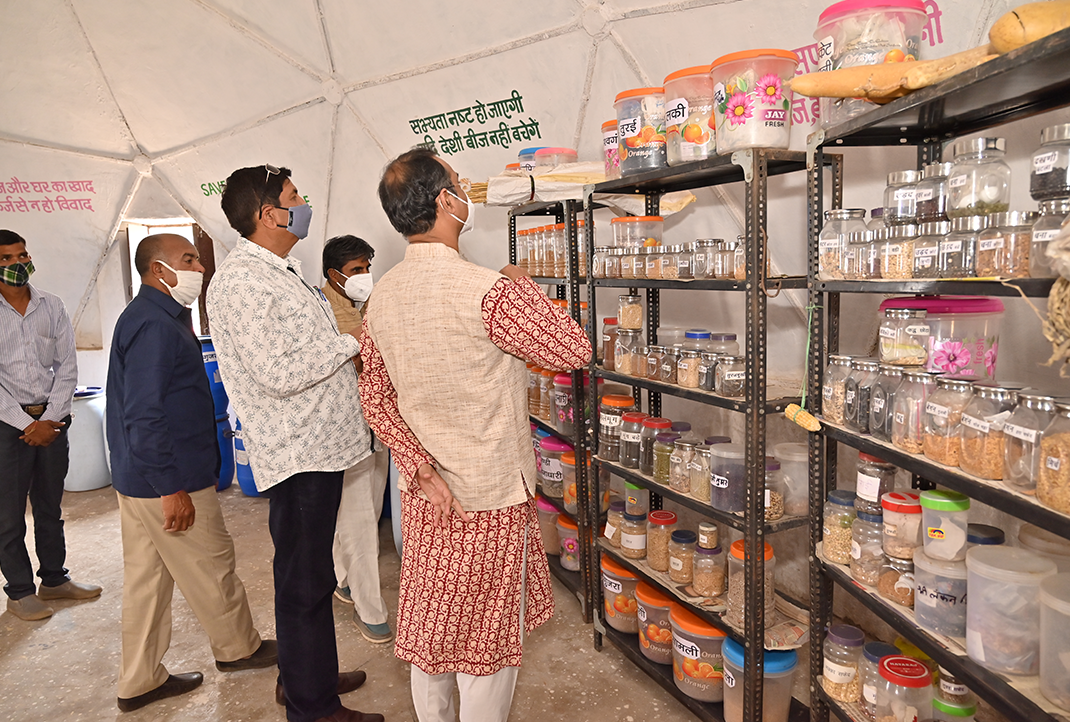
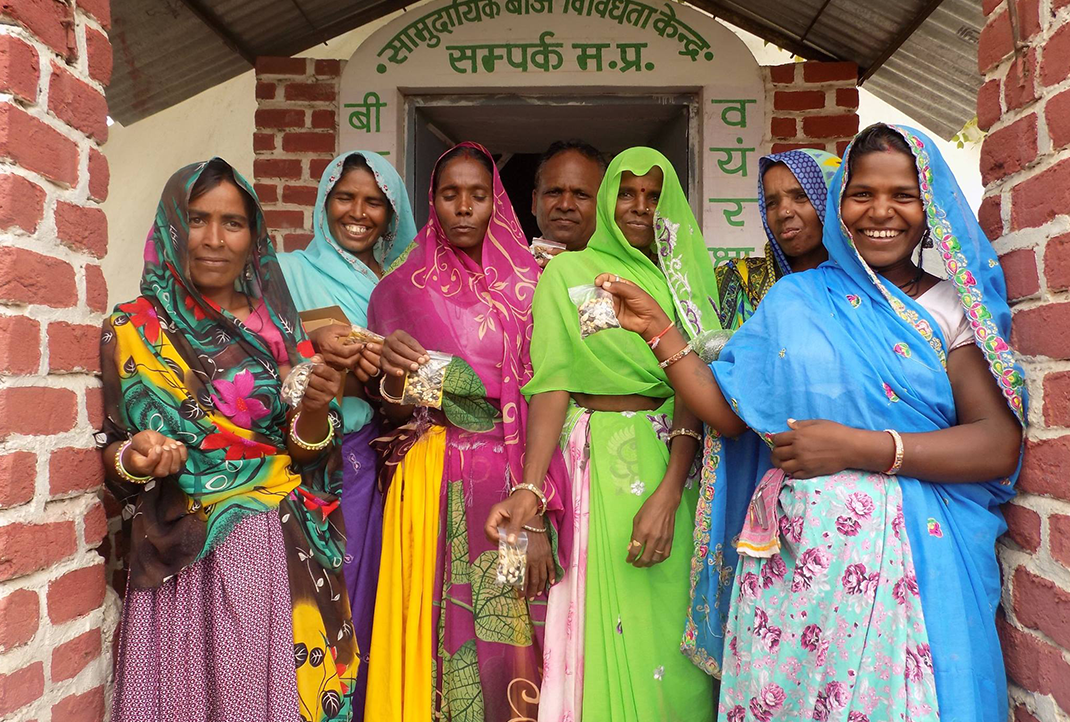
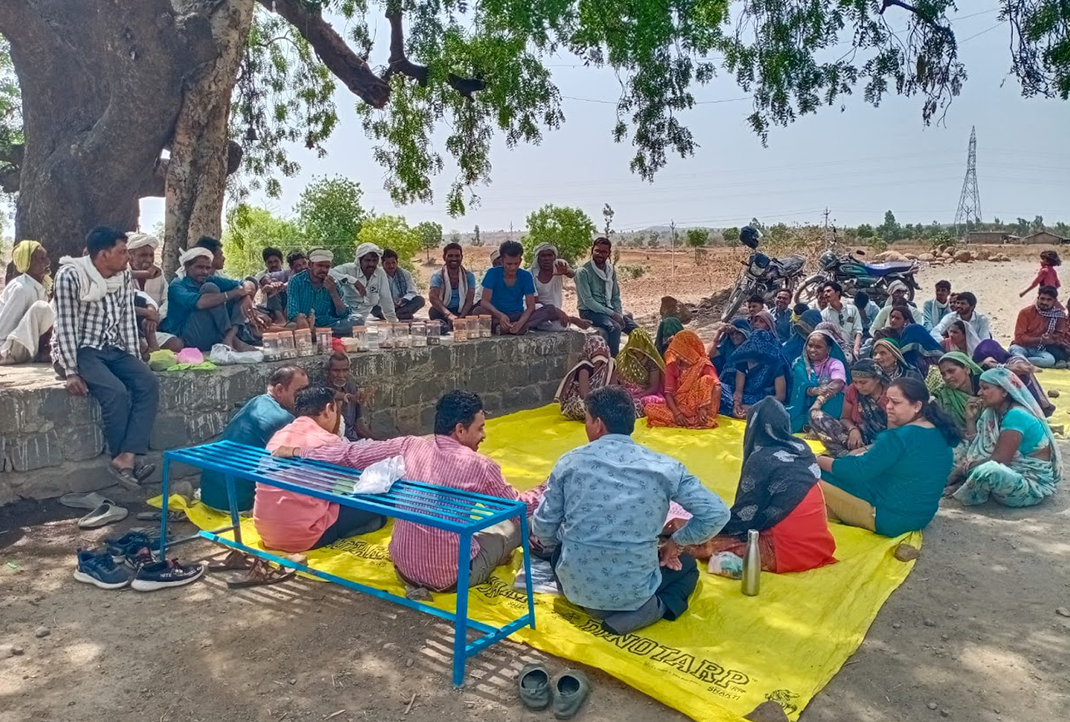
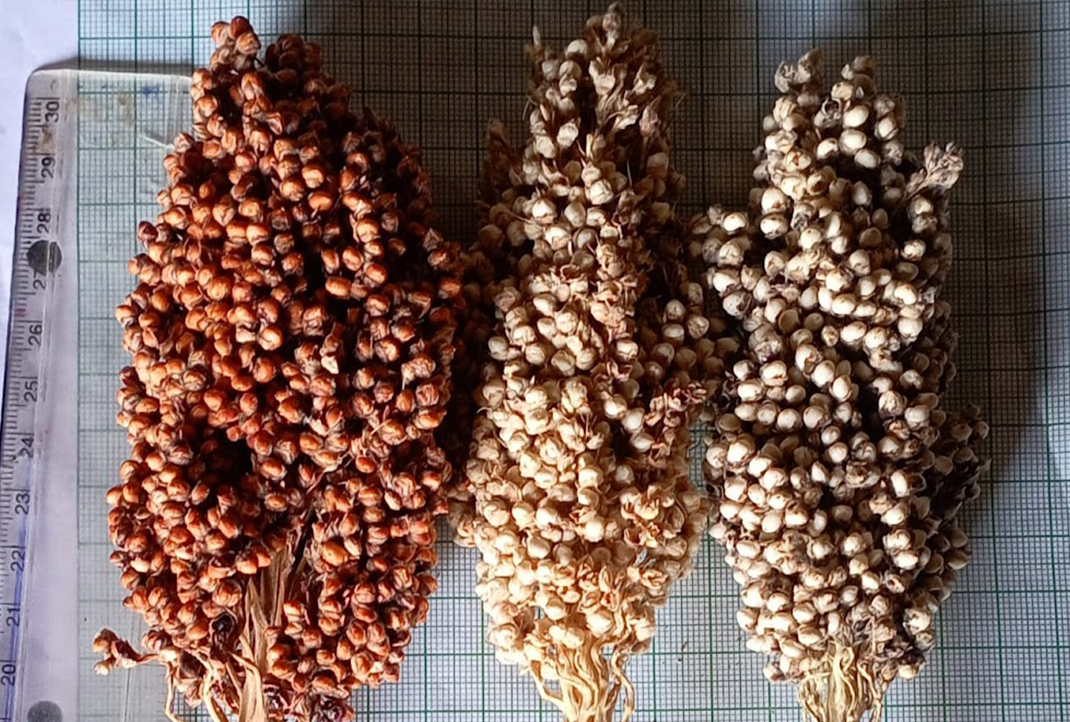
For over a decade, Sampark Social Organisation has been dedicated to promoting sustainable agriculture through its Community Indigenous Seed Bank Initiative. This initiative focuses on conserving and distributing traditional and indigenous seed varieties to enhance seed self-reliance. Each year, the Community Seed Bank distributes seeds of various crops, including soybean, mung bean, urad, cowpea, sesame, peanuts, pigeon pea, and coarse grains. Farmers contribute back to the seed bank by returning 1.5 times the quantity of seeds they harvest. Additionally, the Wheat and Chickpea Biodiversity Block on Sampark’s campus features 35 traditional wheat varieties and 11 chickpea varieties. These seeds, planted using the Sustainable Water Initiative (SWI) method and treated with Trichoderma, ensure quality growth. The initiative includes organizing a Field Day in March, where farmers and agricultural scientists explore crop diversity and provide feedback.
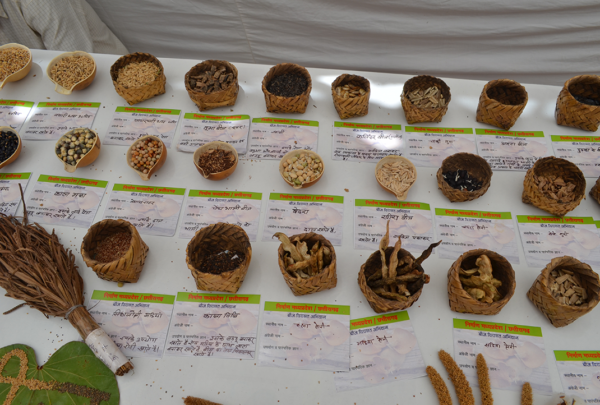
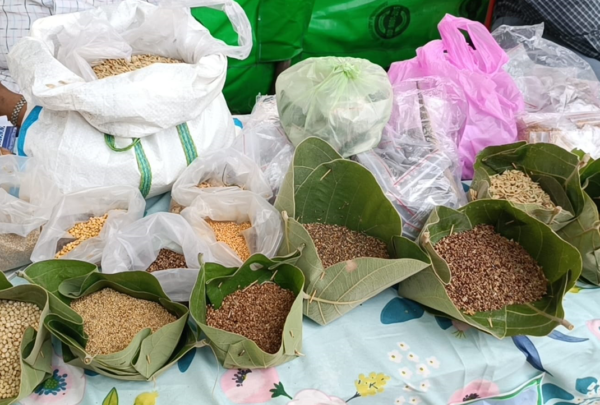
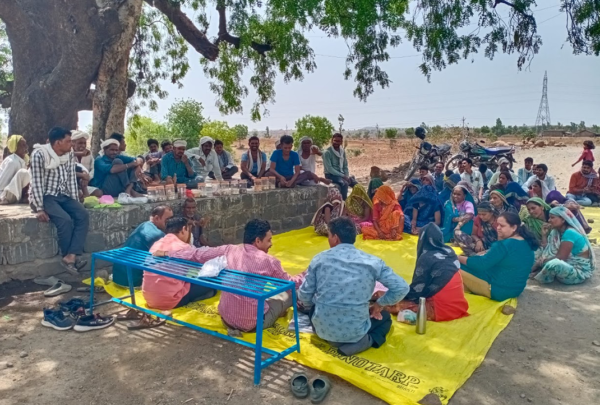
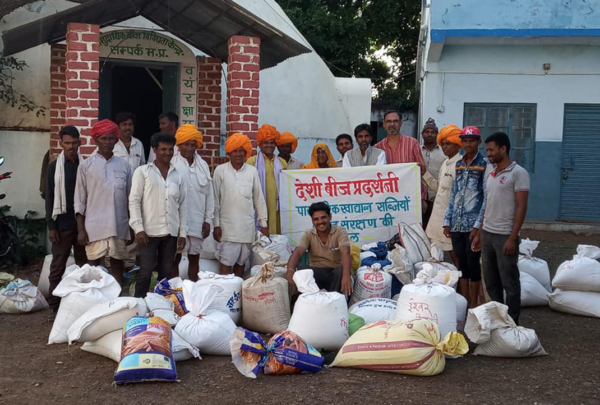
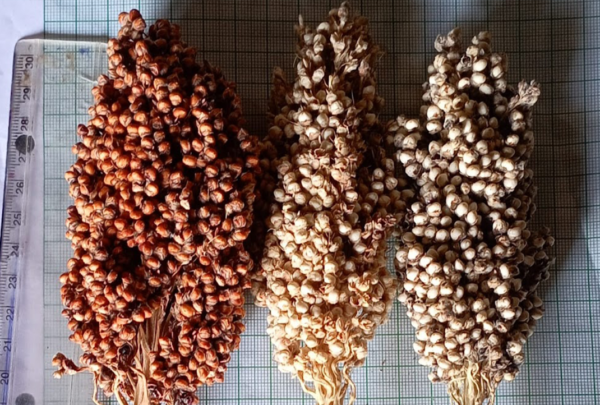
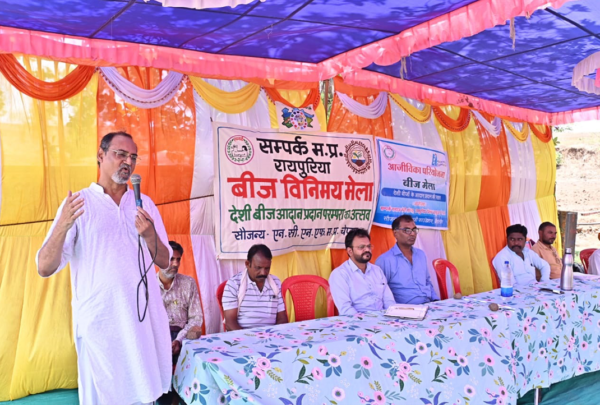
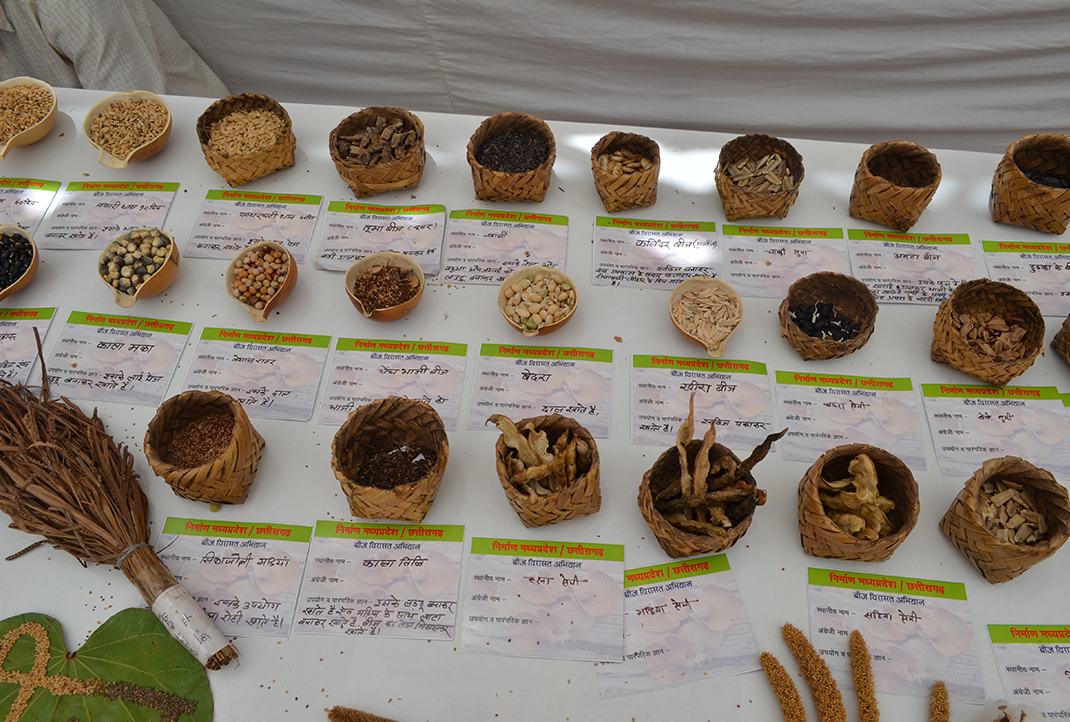
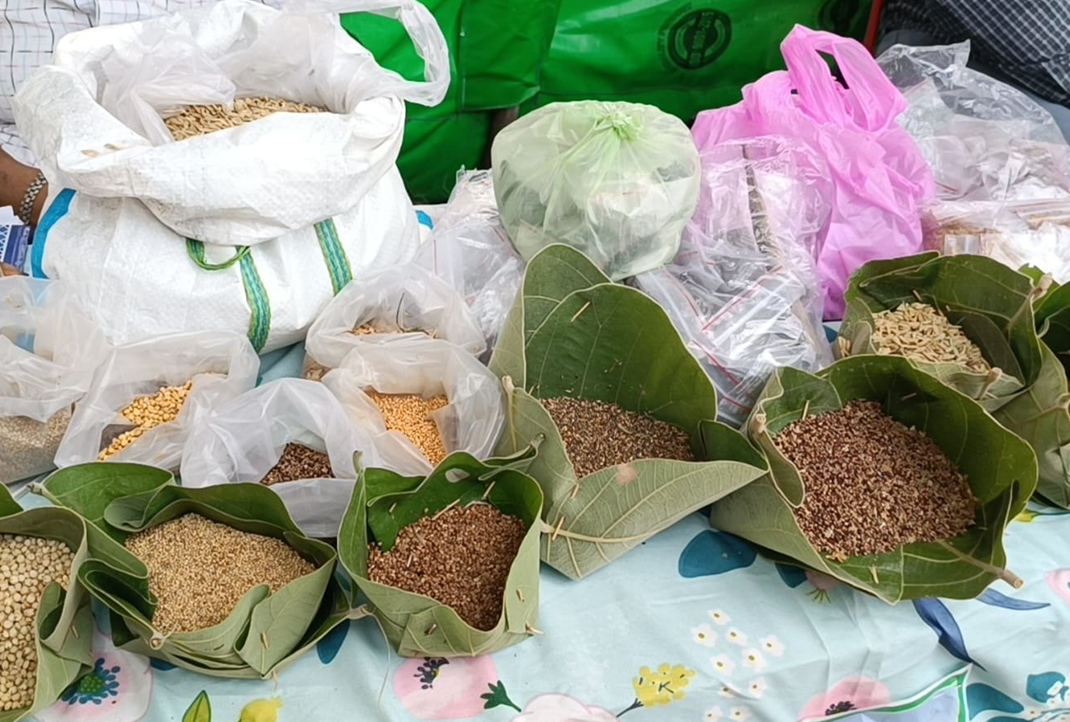
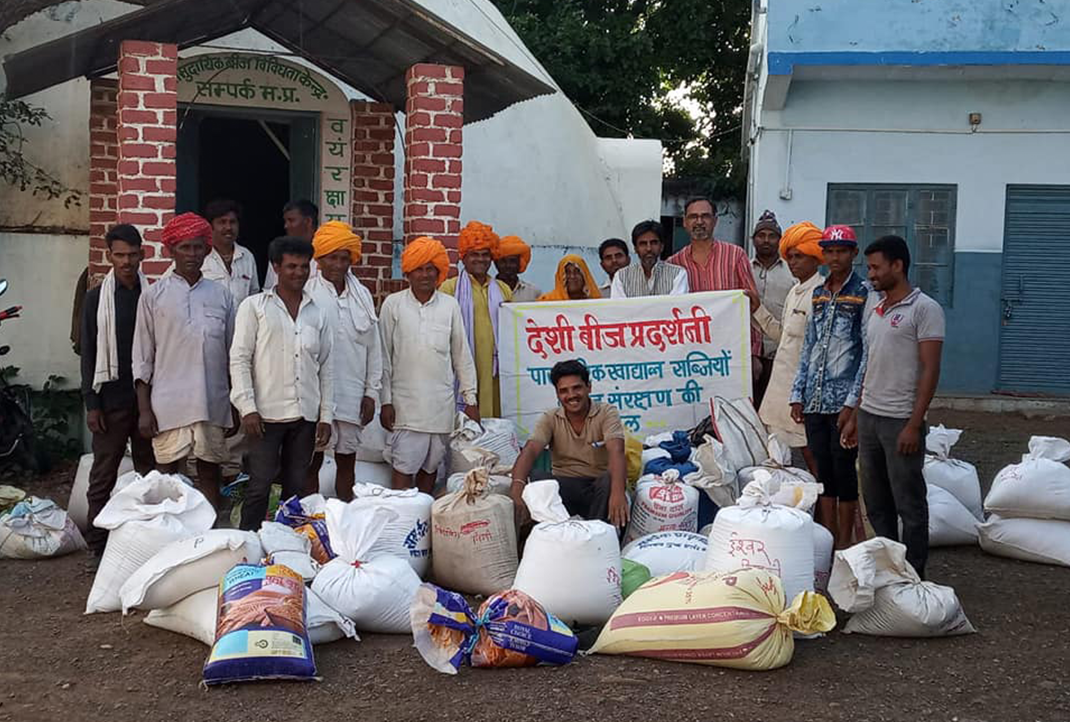
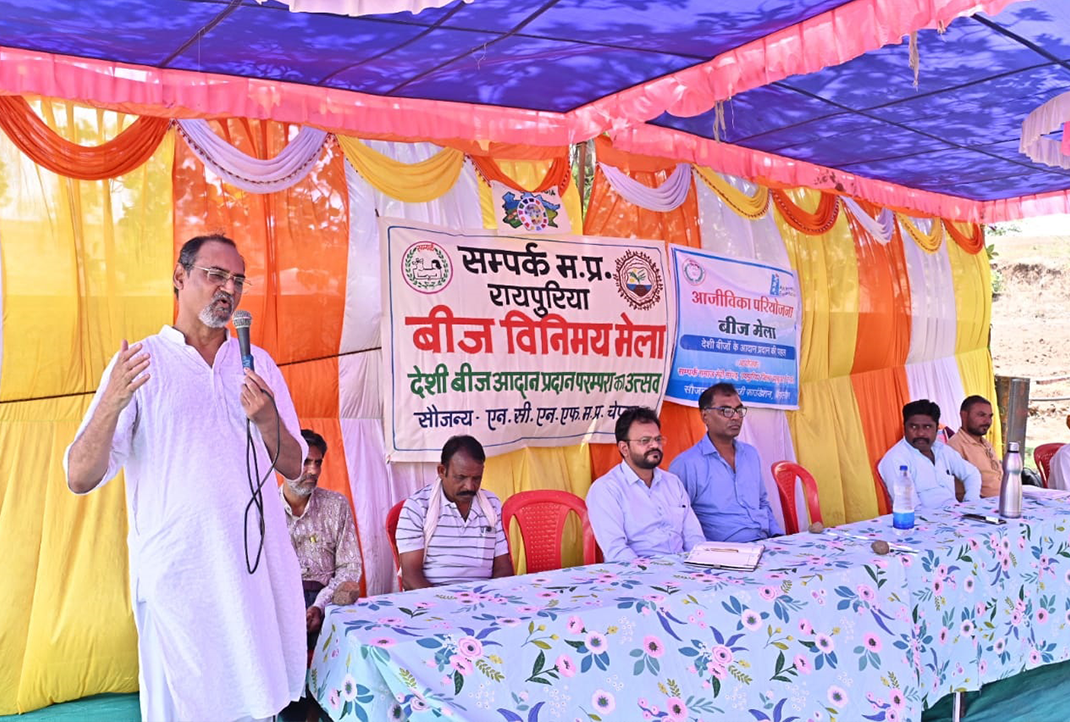
On June 14, 2024, Sampark organized a Seed Fair in Rangpura village to promote diversified farming and revive nearly extinct seed varieties through traditional exchange practices. Farmers exchanged rare varieties of pulses, oilseeds, grains, and millets from the Community Seed Bank, including Khokhdi maize, Dudhmogar maize, Bhuria urad, thornless okra, Mungia and Vaklo rice, Ram sesame, and sun hemp. The Seed Fair highlights included the exchange of over 520 kg of indigenous seeds, honoring farmers conserving traditional seeds, and planting 16 indigenous vegetable varieties and 5 coarse cereal varieties at Sampark’s campus. The event saw participation from hundreds of marginal farmers across 14 villages, with significant involvement from women farmers.
In Pictures


Jhabua District, Madhya Pradesh
Drought-prone, water-scarce area.

Organic Agriculture
Promotes eco-friendly farming methods that reduce chemical use and enhance soil health.

Food Security
Ensures sustainable food sources through resilient farming practices and traditional seed conservation.

Traditional Seed Conservation
Preserving indigenous seed varieties for sustainability.
Organic Farming Practices
Promoting chemical-free farming for healthier soils.
Significant Yield
Increasing crop productivity through sustainable methods.
Income Increases
Enhancing farmers' incomes with improved farming techniques.
Scale organic farming
Expand organic practices to more villages.
Scale organic farming
Expand organic practices to more villages.
Promote water conservation
Encourage water-saving farming techniques.
Improve climate resilience
Implement climate-resilient farming methods.
Be part of the solution!
Empower women, boost sustainable farming, enhance livestock health, and protect biodiversity, to create resilient communities, ensure food security, and uplift livelihoods for generations to come.