Working Towards Empowering the Tribal since 1987……

Overview of Sampark

Sampark Madhya Pradesh

Grassroots Organization for Sustainable Development
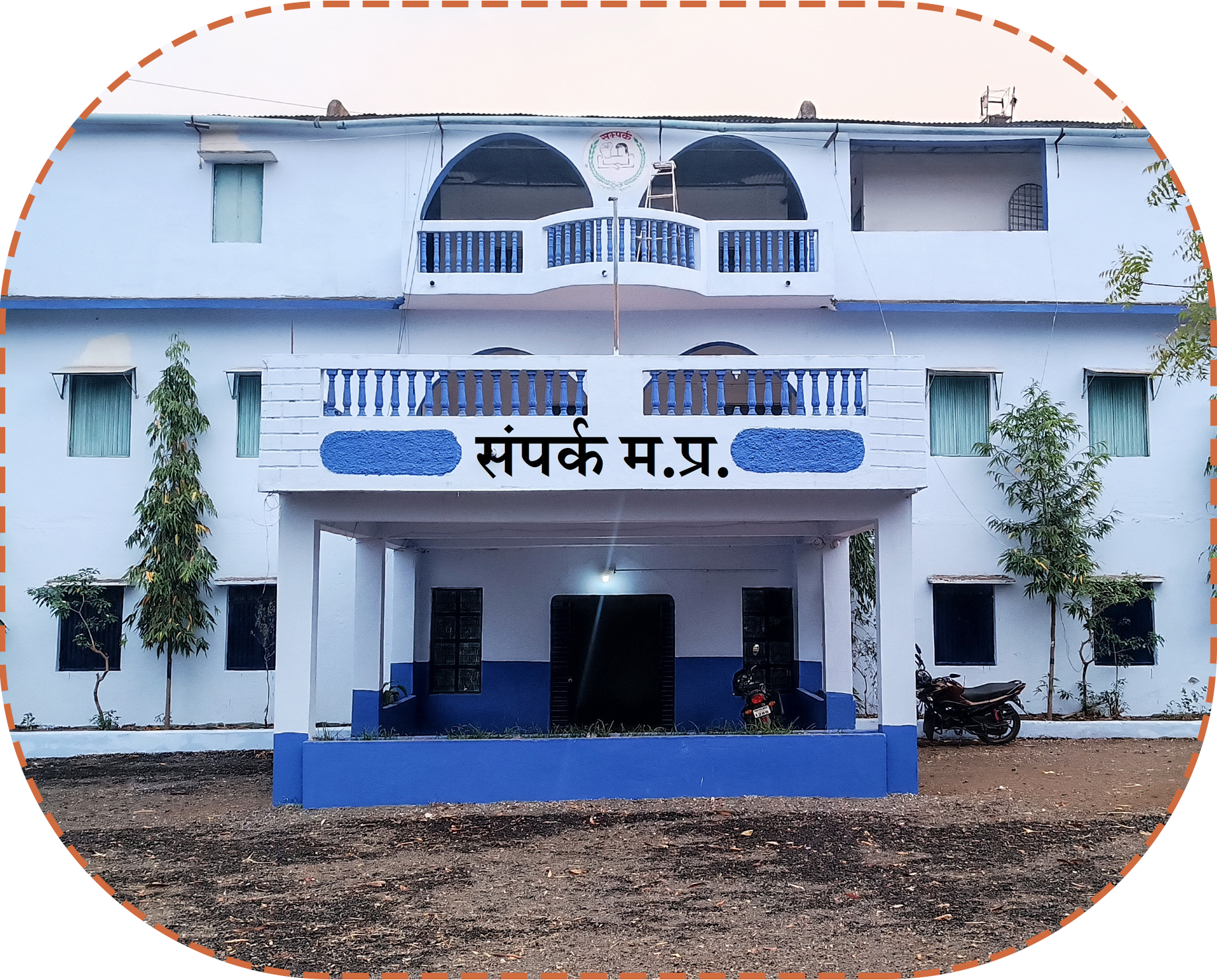
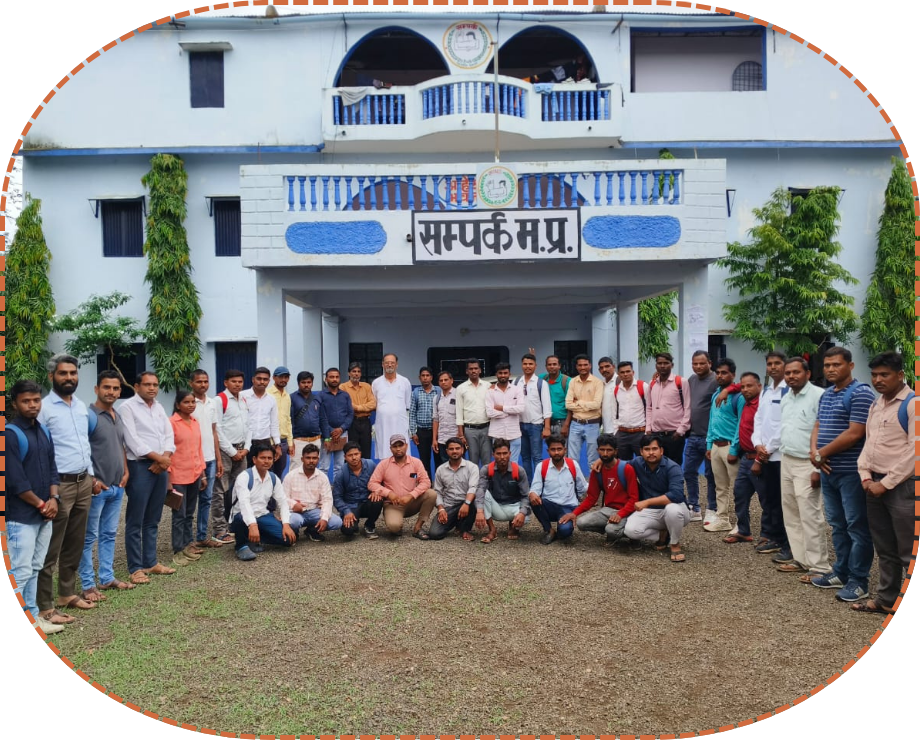
Sampark Samaj Sevi Sanstha, a non-profit organization, was founded in 1987 as a branch of SWRC, Tilonia, and formally registered in 1990 under the leadership of Mr. Nilesh Desai. It works to strengthen tribal livelihoods and combat poverty by empowering communities to fight inequity, injustice, and exploitation. We believe in the Gandhian philosophy that knowledge, skills, and wisdom found in villages should be used for their own development.

Harnessing Local Knowledge for Development

Local knowledge is the foundation of any sustainable development initiative. In tribal regions, where communities have lived in harmony with nature for centuries, traditional knowledge systems offer valuable insights into environmental conservation, sustainable agriculture, and community-based governance. Sampark has actively promoted indigenous wisdom by integrating it into modern development practices. For instance, in agriculture, Sampark has encouraged the use of traditional seeds and organic farming techniques. Instead of relying on genetically modified seeds and chemical fertilizers, which deplete soil fertility, Sampark has trained farmers in natural farming methods. The organization’s "Beej Swaraj" (Seed Sovereignty) movement has helped farmers retain control over their agricultural practices, ensuring food security and economic stability.

Utilizing Local Resources for Sustainable Livelihoods

One of the key challenges in tribal regions is the lack of livelihood opportunities. Sampark has addressed this issue by leveraging local resources to create sustainable employment. Through its "Goan Ka Pani Goan Mein" (Village Water for the Village) initiative, the organization has undertaken water conservation efforts, including constructing check dams, gully plugs, and field bunds. These measures have improved groundwater recharge, enabling year-round farming and livestock rearing. Additionally, Sampark has introduced animal husbandry programs that rely on indigenous breeds suited to the local climate. The Pashu Sakhi (Animal Health Worker) model has empowered tribal women to provide basic veterinary services, reducing livestock mortality rates and increasing household incomes. These initiatives not only enhance economic self-sufficiency but also reinforce traditional knowledge and ecological balance.

Preserving and Promoting Tribal Culture

Culture is an integral part of tribal identity. However, with rapid modernization, many traditional practices are fading away. Sampark has actively worked to preserve and promote tribal customs, particularly those that foster communal harmony and self-reliance. One such revival effort is the Adji-Padji system, a traditional form of labor exchange where villagers help each other with agricultural tasks. This practice not only reduces dependency on external labor but also strengthens social bonds. Similarly, Sampark has encouraged the revival of the Chaupal Nyay system, where village elders resolve disputes amicably, minimizing legal expenses and fostering a sense of justice within the community.

Leadership Development and Grassroots Democracy

Empowering local leadership is a cornerstone of sustainable development. Sampark follows the Gandhian principle of Gram Swaraj (village self-rule), promoting grassroots democracy and participatory decision-making. Village-level committees, self-help groups (SHGs), and farmers’ cooperatives have been established to give communities control over their development process. Through leadership training programs, Sampark has enabled women and youth to take active roles in governance. Many elected representatives in local panchayats (village councils) have emerged from Sampark’s leadership initiatives, ensuring that policies and programs address the real needs of the people.

Gandhian Ideals in Education and Skill Development

Education is a powerful tool for empowerment, but formal schooling alone doesn’t suffice. Sampark’s Buniyadi Shiksha (Basic Education) model, inspired by Gandhi's Nai Talim philosophy, blends practical learning with academics. In residential schools, children gain vocational skills like candle-making, herbal medicine preparation, and organic farming, fostering self-reliance and preserving traditional livelihoods. Sampark also runs non-formal education centers and night schools, helping working children stay in school. Through scholarships and enrollment drives, literacy among tribal children, especially girls, has significantly improved. Their Girls’ Education Promotion Programme tackles socio-economic barriers, supporting girls with mentorship and efforts to keep them in school.

Environmental Conservation and Climate Resilience

Environmental sustainability is at the core of Sampark’s mission. The organization has undertaken extensive afforestation drives, promoting indigenous tree species that support biodiversity and prevent soil erosion. By adopting community-led water conservation techniques, it has improved agricultural productivity and reduced the impact of droughts. Sampark’s advocacy against genetically modified crops and commercial water privatization highlights its commitment to ecological justice. The organization has mobilized thousands of farmers to resist exploitative agribusiness practices, advocating for policies that protect farmers’ rights and environmental health.

Impact and Future Directions

Over the past 38 years, Sampark has transformed the lives of over 289000 tribal families across 3221 villages in Madhya Pradesh. By integrating local knowledge, resources, and leadership with Gandhian principles, it has created a self-sustaining model of rural development. The reduction in exploitative social practices, increased economic stability, and improved educational opportunities stand as a testament to the organization’s impact.
  • Strengthening organic farming, small animal husbandry networks, and farmer cooperatives while promoting women’s organizations to safeguard indigenous seeds. 
  • Enhancing girls’ education, digital literacy, and access to technology in rural schools. 
  • Advocating for policy reforms to support sustainable rural livelihoods.

Conclusion

Social service organizations like Sampark exemplify the transformative power of grassroots development. By blending local wisdom with Gandhian values, they create resilient, self-reliant communities capable of shaping their own destinies. In a world increasingly driven by globalization and industrialization, these models offer a sustainable, people-centered alternative that respects culture, nurtures the environment, and empowers the most marginalized sections of society. The success of Sampark serves as an inspiration for social service initiatives worldwide, reaffirming the timeless relevance of Gandhian thought in modern development.

Vision

Sampark is working with the Vision to establish equitable, just, environmentally friendly atmosphere in the tribal community, so that the most vulnerable & marginalized community gets its due respect and dignified life.

Mission

Sampark started with the Mission of facilitating a process through which the disadvantaged and powerless would organize them for a just and sustainable social order so that they could be empowered to develop their quality of life,resources, culture and esteem through a participatory and non- violent method

Aims

Our Beliefs & Approach to Rural Development

Beliefs

Organizing rural communities into self-reliant, community-based organizations is at the core of Sampark’s development interventions. We empower marginalized communities, particularly women, through collectivization and the promotion of individual micro-enterprises. At the heart of our approach is the creation of self-sustaining people’s institutions focused on:

Livelihood enhancement

Social inclusion

Improvement in health and education outcomes

Strengthening rural governance

Recognizing the evolving needs of rural areas, skills and enterprise development have been integrated as key intervention areas. Our initiatives are guided by the principles of gender equality and civil society development, ensuring inclusivity across all programs. 

Inspired by the Vision of Gram Swaraj

Sampark is deeply rooted in Gandhian principles of Gram Swaraj, working towards strengthening village economies. Our strategy blends Satyagraha (nonviolent resistance) is the spark of awakening, stirring the people to question the status quo, to rise against inequality, and to demand a society that is just and fair for all. And Nirman (constructive work) to drive sustainable change. Nirman is the steady work of creation, supporting communities as they build, restore, and sustain their resources. It is a commitment to improving their lives and helping them flourish on their terms.

To foster participatory village development, we emphasize

"Gaon Ka Pani Gaon Mein"

Local water conservation and management

"Gaon Ka Beej Gaon Mein"

Seed sovereignty and indigenous farming practices

"Gaon Ka Paisa Gaon Mein"

Strengthening local economies

"Gaon Ka Jhagda Gaon Mein"

Resolving disputes within the community

Building Grassroots Leadership

Sampark follows a barefoot model, empowering communities through specialized service groups, including:

Shiksha Mitra

Supporting education

Pashu Sakhi

Livestock management

Swasthya Saheli

Community health facilitators

Krushi Mitra

Agricultural support

Beej Sakhi

Seed conservation and promotion

Jal Mitra

Water management

Through these initiatives, we strive to make villages self-reliant, resilient, and vibrant hubs of development.

SAMPARK Code of Conduct:

Code of Conduct

  • The organization must work and live in close proximity to rural communities. 
  • A collective decision-making process must be practiced and upheld. 
  • No party-political individuals should be included in the Board or staff. 
  • The organization must uphold democratic values and processes. 
  • Transparency and accountability to the community are essential. 
  • Gender equity must be ensured within the organization and its Boards. 
  • People should be valued for their commitment and willingness to learn, not just their qualifications. 
  • Discrimination based on sex, caste, language, religion, disability, or region must be actively reduced. 
  • A creative and constructive space for personal growth should be fostered. 
  • The organization must uphold the Constitution of the Republic of India.
  • A commitment to social justice through non-violent means is required. 
  • Traditional knowledge, beliefs, and wisdom of the community must be respected. 
  • Preservation of natural resources is essential, avoiding exploitative or destructive practices.
  • Technology that deprives people of their livelihood and entitlements should not be encouraged. 
  • Chief functionaries must lead by example, adhering to the Code and maintaining a simple lifestyle. 
  • A second line of leadership must be nurtured and demonstrated. 
Timeline

Major Milestones

1987
Inception

The idea of Sampark was sparked in Raipuria in Jhabua district as a unit of SWRC, Tilonia, Rajasthan

1990
Inception

Sampark registered as a society. Our Founder and Director Nilesh Desai awarded National Youth Award.

1991-96
Learning Phase

The work expanded from the original 13 villages to 28 villages

1997
Long-term planning

Formulated plans and intensive developmental work done

2000
Internal Review

Emphasis on rights-based work and active participation with like-minded network

2004
A Leap for Education

Buniyadi Shala started at the organisation compound

Sampark's commitment

Empowering guide, and ultimately step aside, leaving a legacy of self-reliance & transformation.