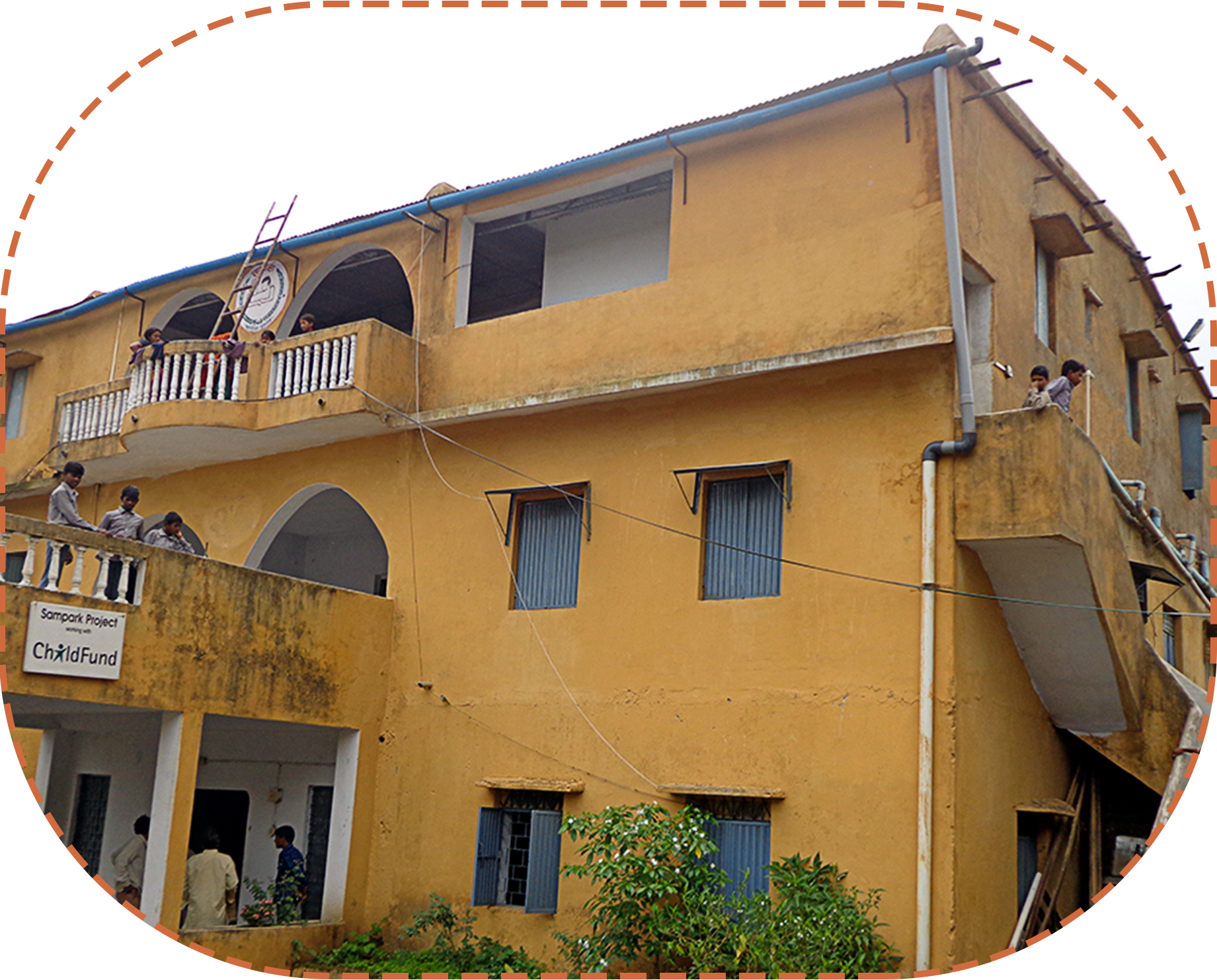


Roof Rain Water Harvesting System Demonstration Program
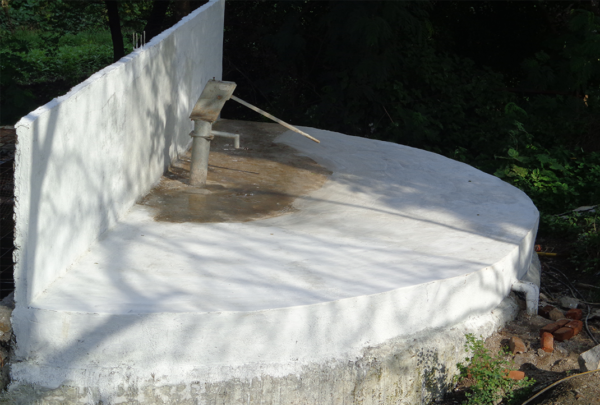
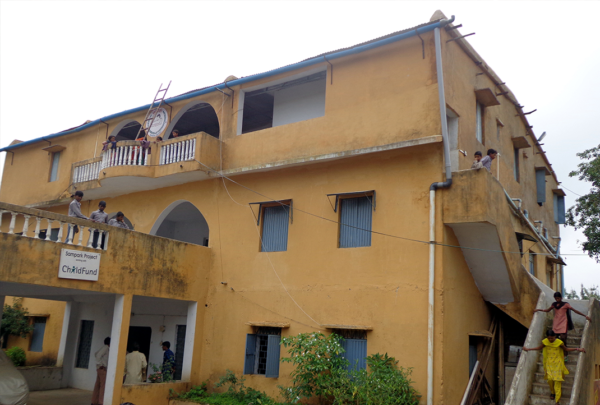
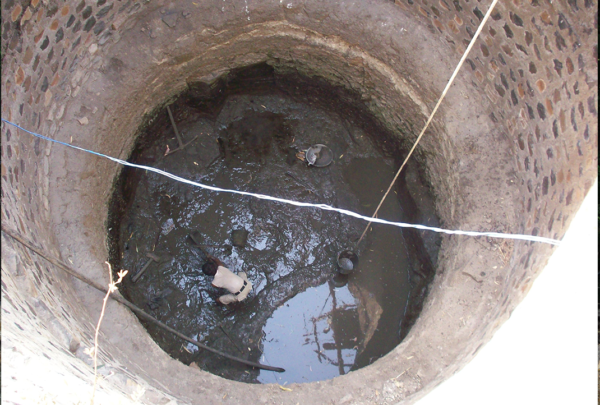
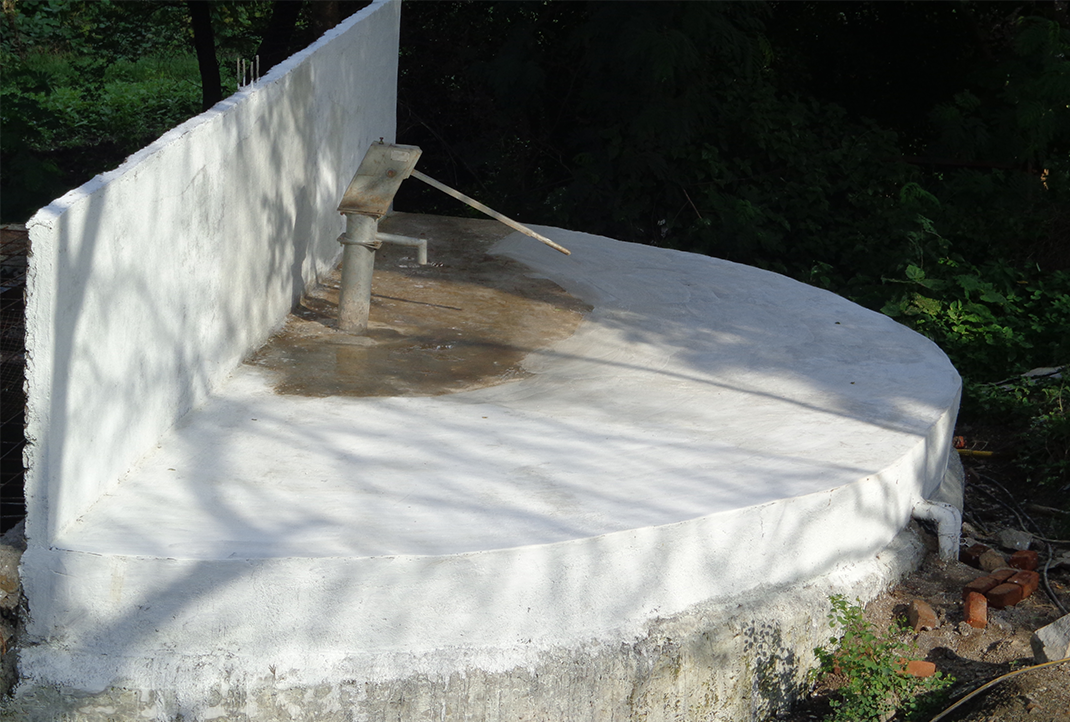
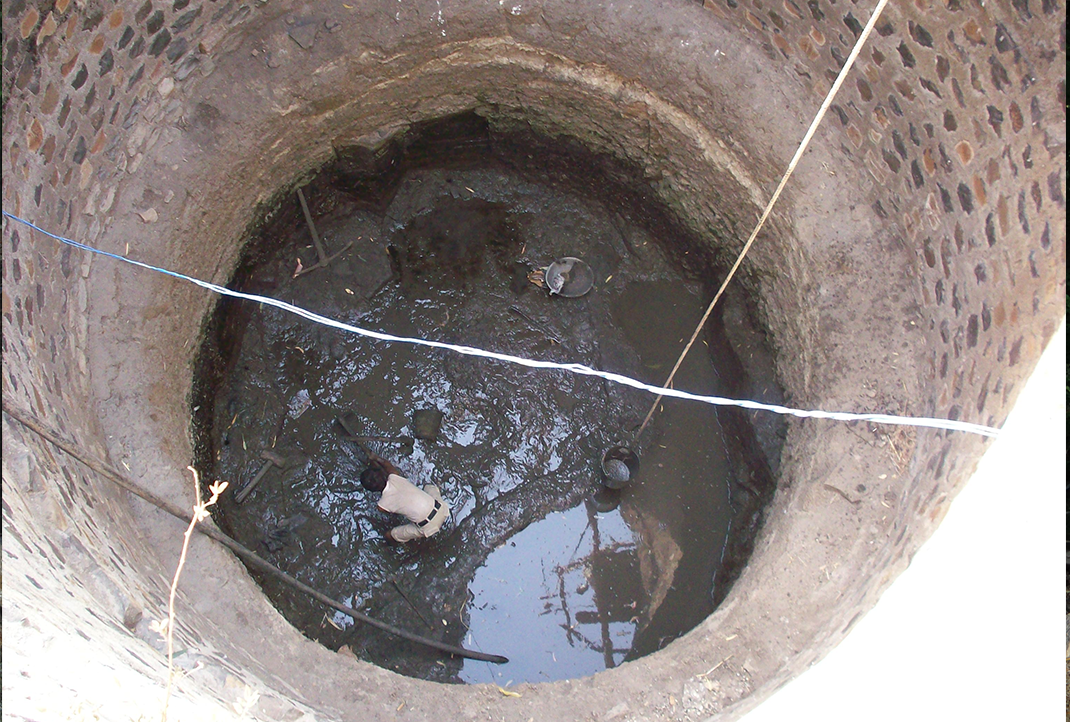
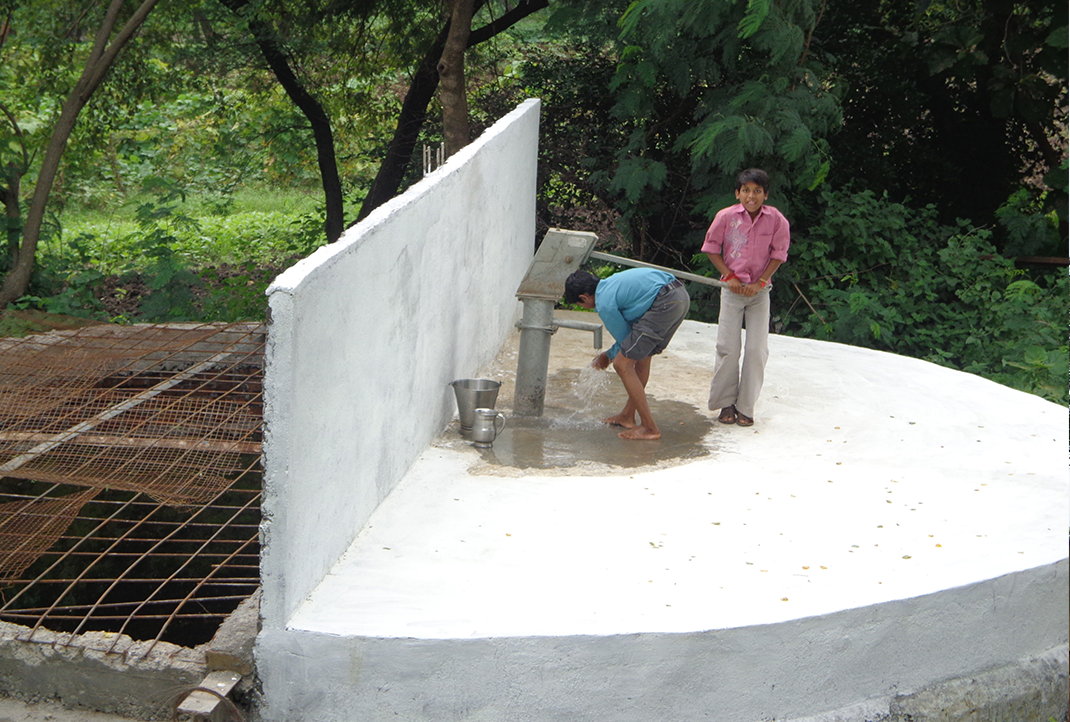
Sampark’s Roof Rain Water Harvesting System Demonstration Program is designed to combat the severe water scarcity in its operational region. Initiated in 1999, the program began with a 3.5 lakh-litre water tank at Sampark’s Gram campus, which collects almost 3,00,000 litres of rainwater from office and residential roofs, ensuring sufficient water for daily needs during summers. Annually, the campus harvests 48,00,000 litres of rainwater, reducing dependency on scarce external sources.
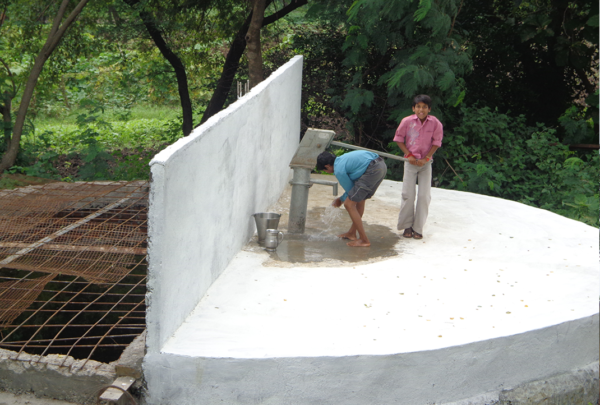
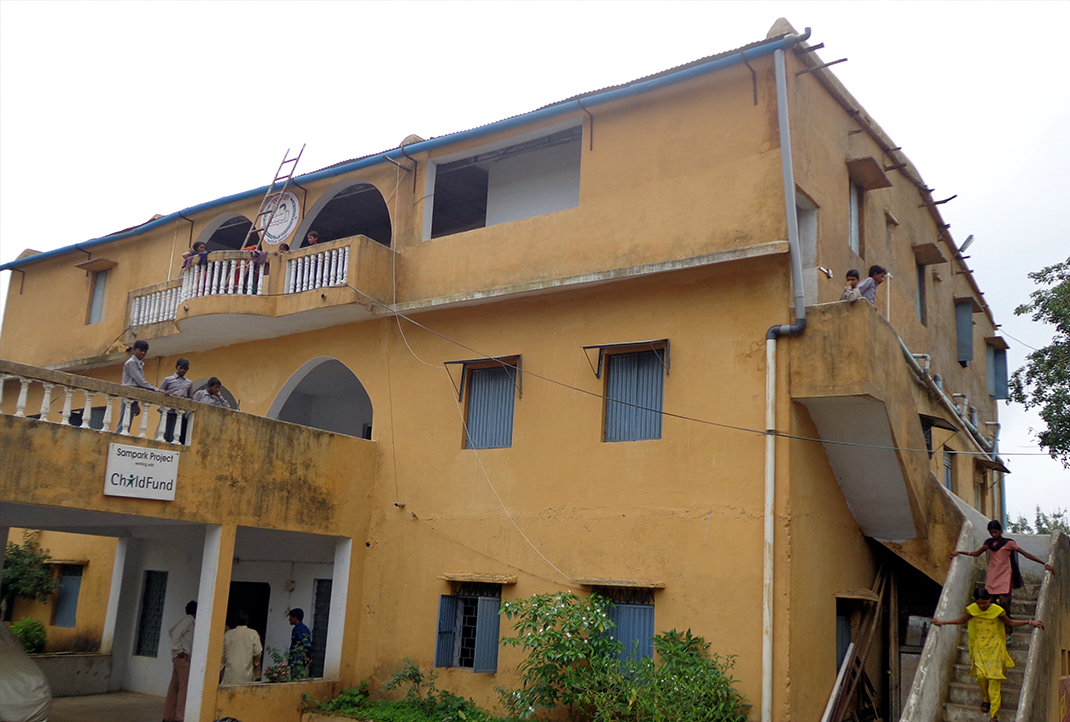
Inspired by this success, Sampark expanded the project by constructing 50,000-litre tanks in 25 schools across 22 villages, significantly improving water availability and sanitation. A wastewater recharge system further enhances sustainability by redirecting 50,00,000 litres of treated wastewater into the ground each year, helping to replenish groundwater. Over the past decade, this program has collected a total of 1,25,00,000 litres of rainwater, benefiting over 15,000 children and providing a steady water source. Entrusted to local schools and Gram Panchayats, this program has not only alleviated the water crisis but has also set a community standard for water conservation in the region.
In Pictures


22 Villages and Sampark’s Gram Campus
Jhabua district, Madhya Pradesh

Water Conservation
Efficient rainwater collection to combat water scarcity.

Sustainable Resource Management
Community-driven, long-term water resource management.

Large-scale water conservation and harvesting
Collect rainwater across locations to address water scarcity.
Community-managed sustainability
Communities to manage water systems for long-term impact.
Expand water-harvesting infrastructure
Add more rainwater harvesting systems in villages and schools.
Integrate community training on water conservation
Equip locals with skills for sustainable water management.
Increase partnerships for scaling up
Collaborate with organizations to expand the reach and impact.
Make a difference today!
Help drive the transition to renewable energy, improve environmental health, and empower communities to manage water resources sustainably.